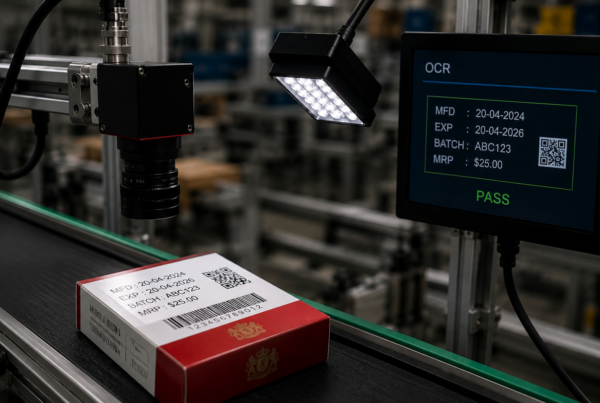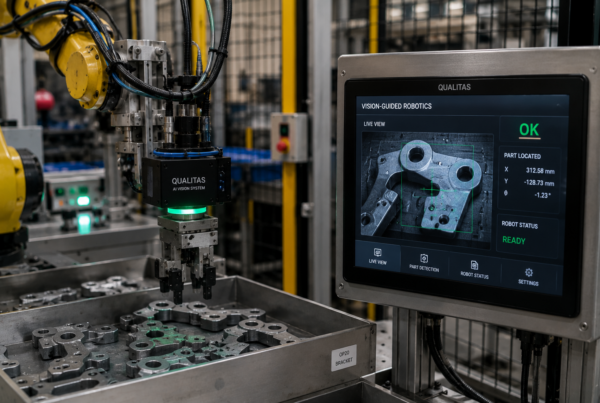
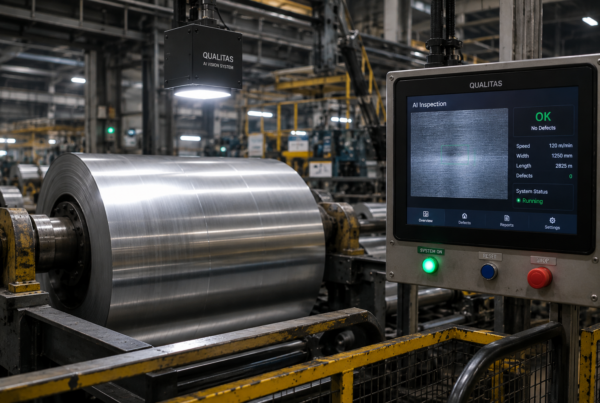
A surface crack on a bearing roller. A lap on a cold-rolled strip. Scale on hot-rolled steel. These defects cost manufacturers millions in scrap, rework, and warranty claims — and they are notoriously hard to catch by eye.
Why metal is hard
Metal surfaces are reflective, textured, and variable. Lighting that reveals one defect can hide another. Human inspectors tire, disagree, and cannot keep pace with high-speed lines.
Engineered lighting + AI
The first half of the solution is optical: the right lighting geometry makes defects visible and suppresses harmless texture. The second half is AI: deep-learning models trained on real defects classify what matters and ignore what does not.
Measurable results
Manufacturers moving from manual to AI inspection routinely drive defect escape rates down to single-digit ppm while inspecting 100% of production at line speed.
Key takeaways
- Lighting design makes metal defects visible
- AI separates real defects from texture
- Escape rates fall to single-digit ppm