What needed solving
Spark plug tolerances demand ±0.01 mm electrode gap accuracy — 10× tighter than a manual feeler gauge. At 20 ppm line speed each part is visible for only 3 seconds, making comprehensive manual evaluation impossible.
IATF 16949 OEM supply chains require near-zero PPM defect escape, covering electrode gap, eccentricity, thread integrity, ceramic cracks ≥50 µm, shell dents ≥0.1 mm, and burrs ≥0.2 mm simultaneously.
How Qualitas solved it
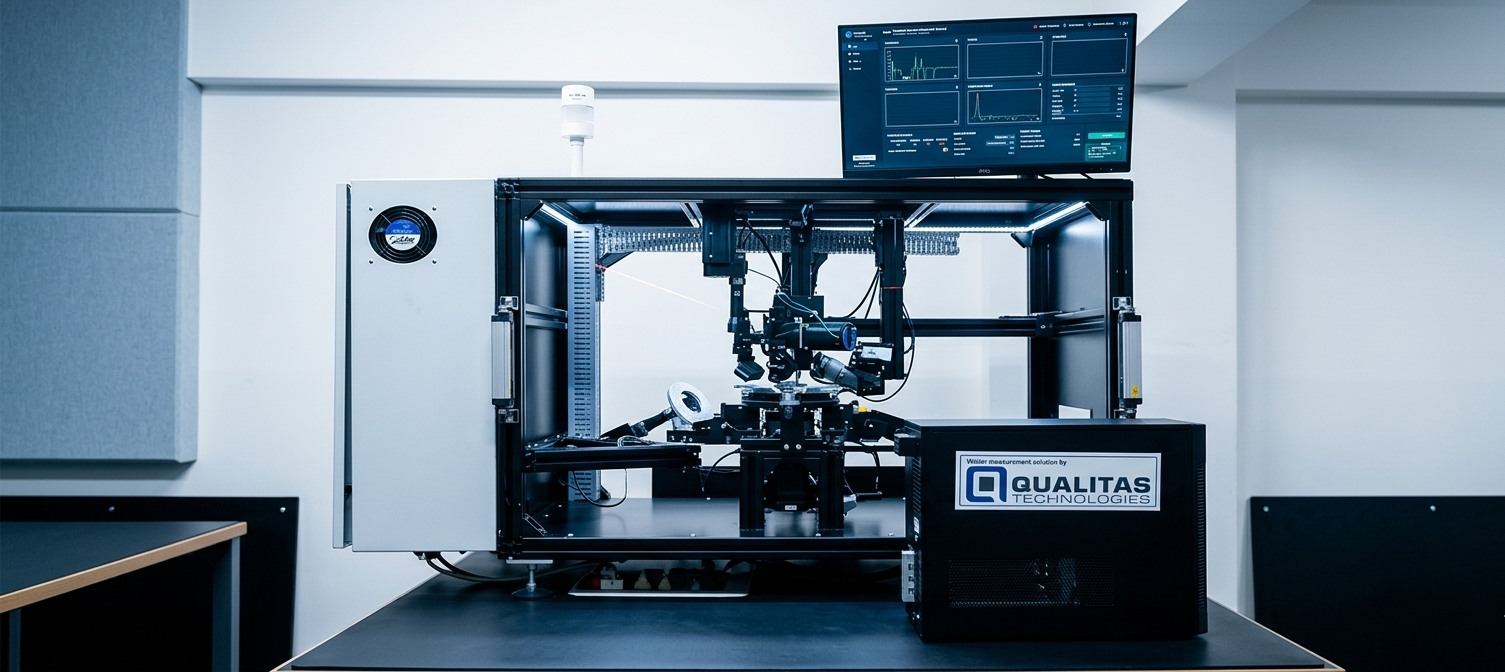
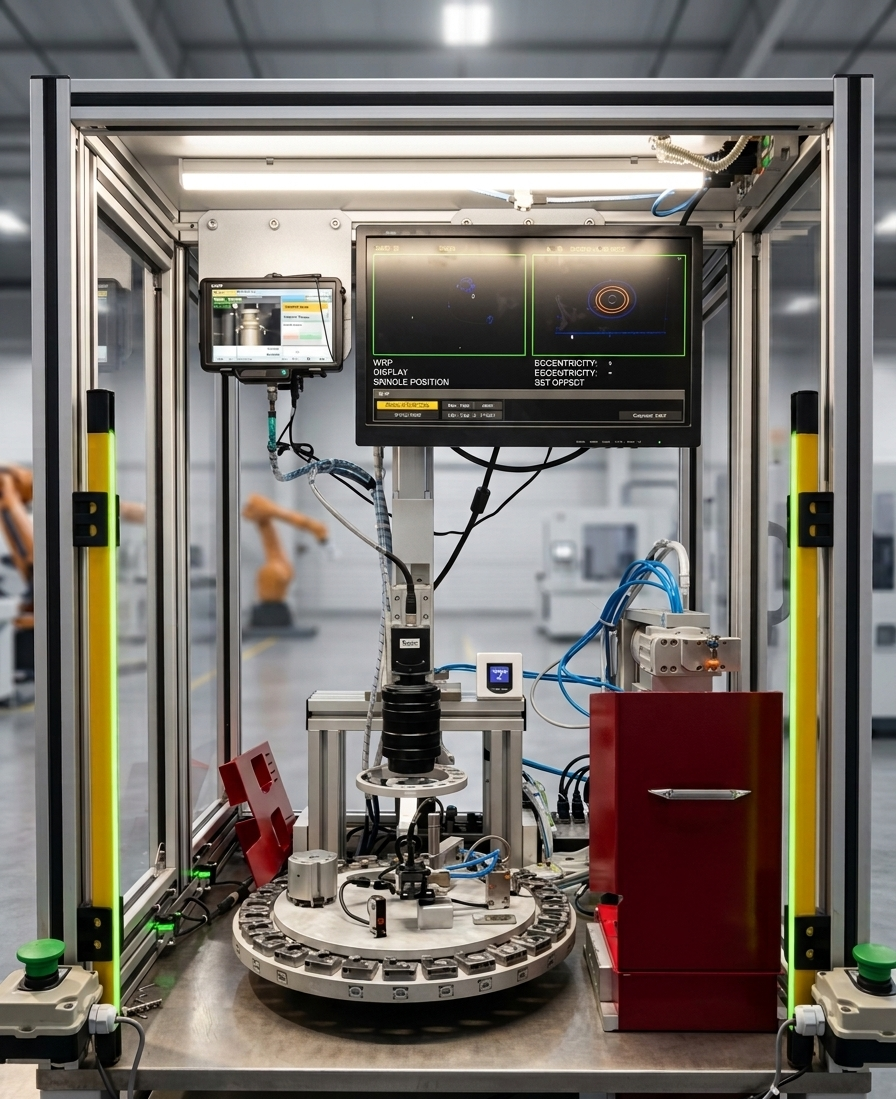
A three-station architecture was deployed: Station 1 validates orientation and seating via robotic/bowl-feeder loading. Station 2 runs Keyence dual-camera vision — top-view for eccentricity, front telecentric view for gap measurement and defect detection with deep-learning classification for hairline cracks.
Station 3 applies a permanent tungsten carbide punch mark on GOOD parts and diverts NG parts into classified rejection bins, with a per-plug digital result record written to SQL for full IATF 16949 traceability.
The full case study covers detailed system architecture, hardware configuration, algorithm pipeline, integration approach, validation data, and a step-by-step deployment timeline with ROI calculations from live production environments.