What needed solving
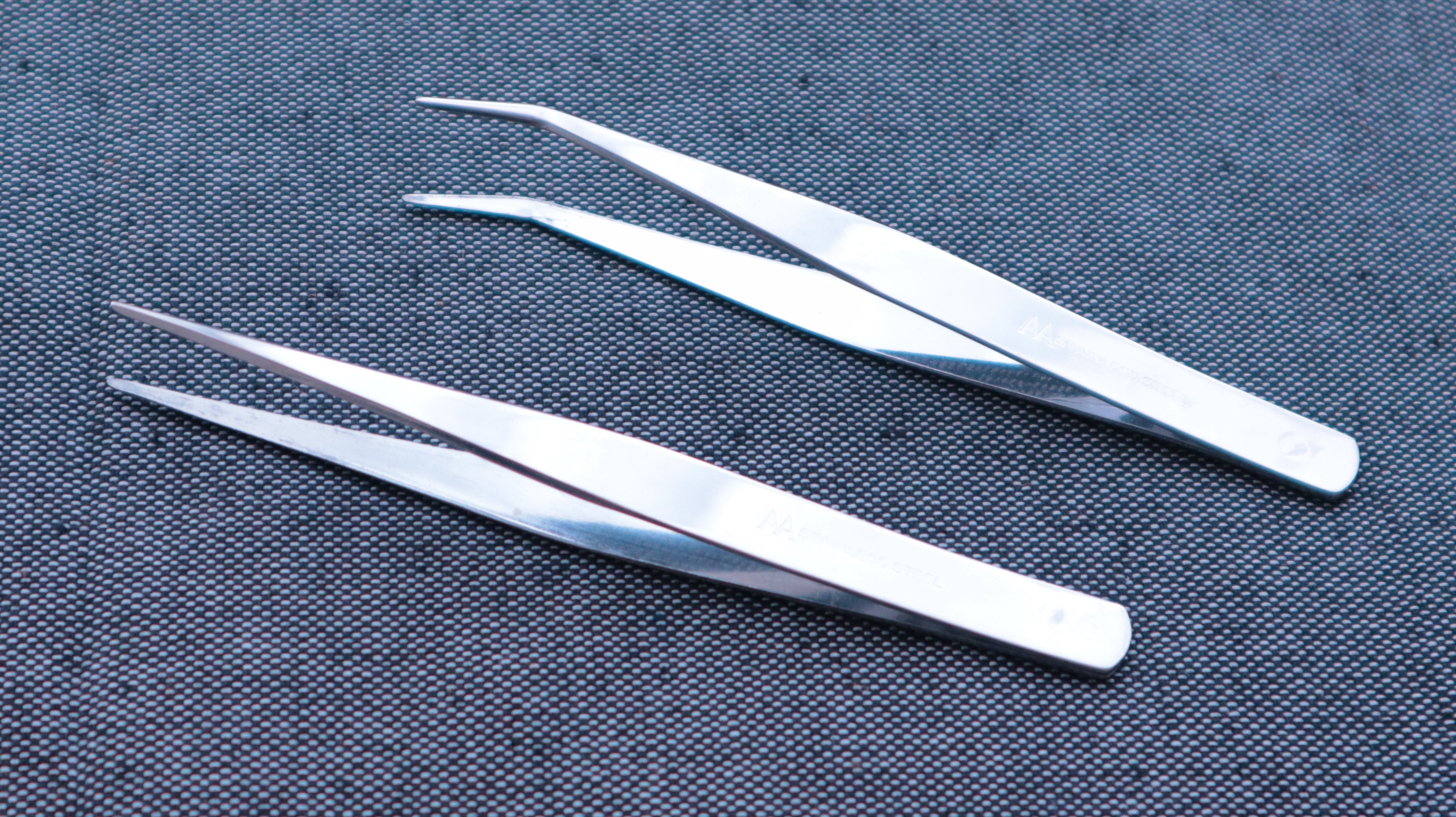
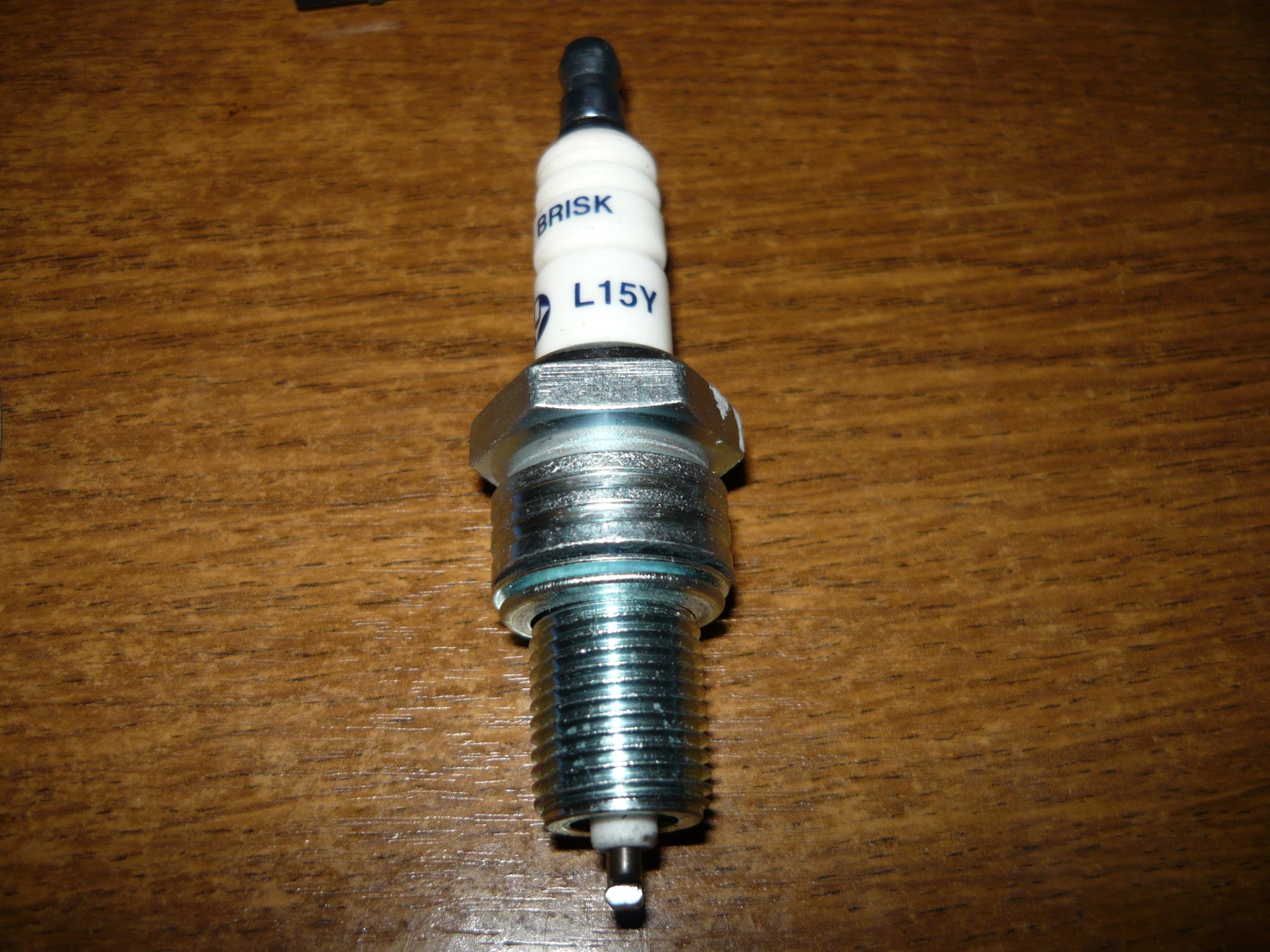
Operators classified 40 part variants by hand and keyed counts into a digital device. Classification and counting errors caused SKU mismatches and gaps between demand and supply.
How Qualitas solved it
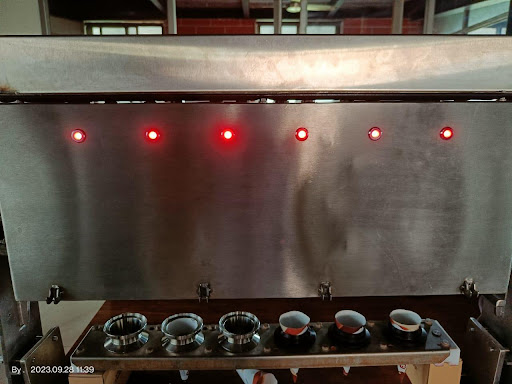
Controlled illumination and a uniform background help the cameras capture each part. A deep-learning model on the EagleEye platform classifies part type and colour and counts the parts on each jig. Results go to a PLC and the inventory record.
Parts identified on the jig
Front and back cameras look at the loaded jig. The model labels every visible part with its variant code, so the system knows what is on the jig without an operator entering it.
Expected against actual
- Identify the jig and the part variants visible on it.
- Count the parts and compare with the expected count for that jig.
- Show the jig result and the running totals for the shift to the operator.
Counts and results go to a PLC and the inventory record in real time, replacing handwritten classification and manual entry.
Implementation
The team defined the 40 part variants, captured training images, validated classification and detection, and integrated the system with a PLC across the inspection stations.
Share your part variants, how they are presented and the inventory system the counts must reach. We can evaluate the lighting, camera coverage and classification on representative parts.
Request project details